5 Montana Stereotypes (and Tropes!) for Western Romance Settings
When I plan a new story, I think of what my readers will like. I want readers to immerse themselves in the story and identify with the characters. They want to know what the trope is—is it Enemies to Lovers (my favorite!), a Small-town Romance (that’s all my books!), or Forced Proximity? (I love that one, too!) Fish Out of Water works especially well in Montana—Big City Girl (or Boy!) must learn how to rough it. Who doesn’t love that?
Stereotypes are useful to writers because they’re as easily recognizable to readers as tropes.
I did a quick Google search for Montana stereotypes, and it did not disappoint. There is a reason why Western romances set in Montana are so popular.
Let’s tackle these 5 stereotypes in order and I’ll explain why I use them.
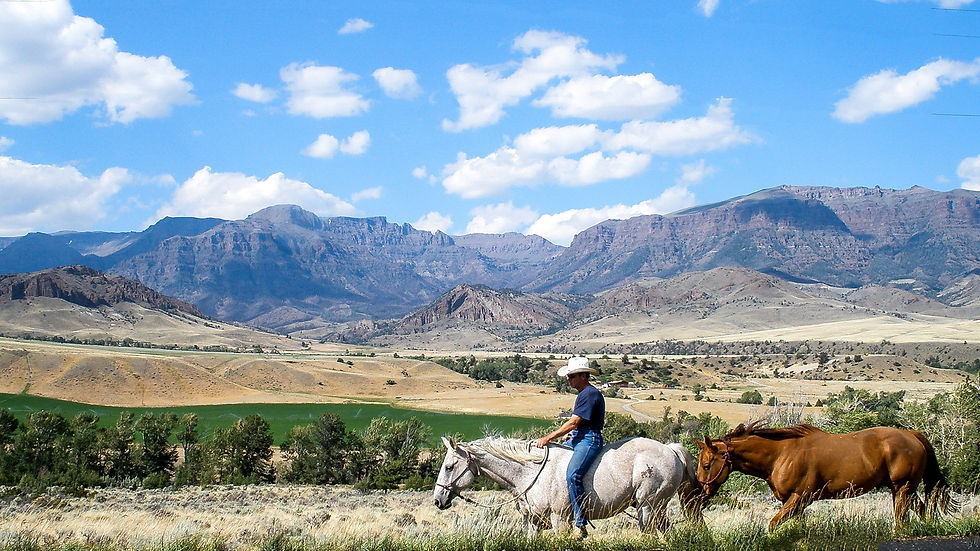
1. Everyone is a cowboy or rancher in Montana
We know this isn’t true. It’s the 21st century. People work in banks, in real estate, in healthcare, in education… You get the picture. A lot of people have never set foot on a ranch or climbed on a horse. But we also know that Montana does, indeed, have cowboys and ranchers. The rich history of Montana and its physical geography both support the stereotype to the extent that people expect cowboys or ranchers in a book. They make great heroes. A hardworking man suggests fearlessness and honor. He’s loyal!

2. It’s always freezing or snowy in Montana
No one knows this stereotype better than a Canadian. (I once did a radio interview in New York City and got my Celsius and Fahrenheit numbers mixed up. Not much wonder Americans think Canada is cold.) Montana borders Canada, and being that far north, Montana definitely gets more snow than Florida. Freezing or snowy conditions are perfect for Forced Proximity romances, and I’m writing one of those now. As a Canadian who has seen more than one blizzard, I can definitely immerse readers in that experience.

3. Montana is a flyover state with no technology
This is another stereotype that we all know isn’t true but makes a great story. Montana is a rural state, and there are always pockets in rural areas where cell signal is poor. That’s a fact. (I know that firsthand, too.) When I want my characters cut off from the world, Montana is the perfect place to take their technology from them. The Fish Out of Water and Woman in Jeopardy tropes fit well in this type of setting.

4. Everyone lives in total isolation in Montana
Again, not true. However, to write small-town Western romances, all that’s needed is a plausible location. Because Montana is a primarily rural state, broken up by mountains and plains, small communities that are cut off from their neighbors exist. I chose the West Pioneer Mountains as the setting for one of my fictional Montana towns. It’s got all the stereotypes going on—cowboys and ranchers, freezing and snowy weather, no technology, total isolation, and also, our final stereotype...

5. Only rugged outdoorsmen live here
Montana doesn’t have this market cornered. I live with a rugged outdoorsman, and he’s Dutch. Does my Dutch rugged outdoorsman wish he was a cowboy? Yes. Yes, he does. Do I need an authority on roughing it on hand when I write about the rugged frontier? I’m actually good with those details, myself. I grew up in a small rural community. I have firsthand experience with iceboxes, wood stoves, and outhouses, and having to drive miles to buy groceries and other essentials. I have zero interest in living a rugged lifestyle, but I can write about it—and rugged outdoorsmen—with authority. As far as tropes go, a rugged outdoorsman suits a Woman in Jeopardy or an Opposites Attract story.
My question for readers:
When reading Western romances set in Montana, what stereotype do you like and what’s your favorite trope to go with it?


Comments